

BLOG - FINANCIA
May 3, 2026 - Equity Markets Through the Strait of Hormuz Shock
FINANCIAL MARKETS
Mathéo Bockel
5/3/20263 min read
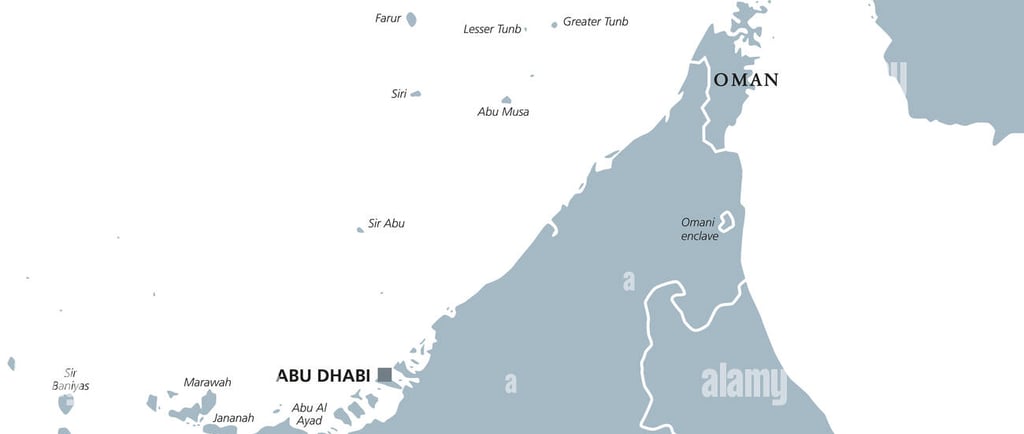
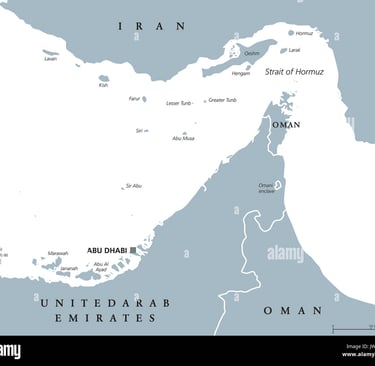
An oil shock reshaping equity markets
The disruption in the Strait of Hormuz is not just another geopolitical event — it is a structural shock to global energy supply. Roughly 20% of the world’s oil normally transits through the strait, and current restrictions have significantly reduced flows, creating one of the largest supply disruptions in modern energy markets.
As a result, oil prices have surged above $120 per barrel, with the risk of remaining elevated if the situation persists.
For equity markets, this is the key starting point:
this is not a sentiment shock — it is a cost shock.
From oil prices to equity repricing
The transmission from oil to equities is direct and mechanical. Higher energy prices increase production and transportation costs across nearly all sectors. This compresses margins, weakens earnings expectations, and reinforces inflation pressures.
At the same time, elevated inflation reduces the likelihood of rapid monetary easing. Interest rates remain structurally higher, which weighs on equity valuations through higher discount rates.
This combination — rising costs and tighter financial conditions — creates a challenging environment for equities overall. It explains why markets feel unstable even when indices remain relatively resilient.
A fragmented market: dispersion dominates
What defines the current environment is not a broad sell-off, but a clear divergence across sectors. The Hormuz shock is creating a dispersion-driven market.
Energy companies are the most obvious beneficiaries. Higher oil prices directly increase revenues and support valuations, making the sector a natural hedge against the shock.
However, even within energy, the situation is not entirely straightforward. Logistical disruptions and operational constraints can limit the ability of some companies to fully benefit from higher prices.
At the same time, most other sectors are under pressure. Industrials face rising input costs, transport and airlines are directly exposed to fuel price increases, and consumer sectors suffer from declining purchasing power.
The market is not moving together.
It is splitting.
The stagflation risk at the center of equities
The real issue is not oil itself, but what it implies. The current shock reinforces the risk of a stagflationary environment — where inflation rises while growth slows.
This creates a difficult backdrop for equities. Earnings visibility declines, valuation multiples compress, and volatility increases. Investors are forced to reassess both growth expectations and risk premiums.
Historically, this is one of the least favorable environments for broad equity performance.
Why markets are not collapsing
Despite the severity of the shock, equity markets have not experienced a full-scale correction.
Investors are still pricing a scenario in which the disruption remains temporary. Strategic reserves, alternative supply routes, and the potential for geopolitical de-escalation all contribute to this expectation.
Markets are forward-looking. They are not only reacting to the current disruption, but also to the possibility of normalization.
However, this creates a fragile equilibrium. If the disruption persists, current valuations may no longer be sustainable.
How to think about equity allocation now
In this environment, equity investing becomes less about broad exposure and more about positioning.
Energy exposure acts as a natural hedge against further increases in oil prices. At the same time, companies with strong pricing power are better able to protect margins in an inflationary environment.
Conversely, sectors with high cost sensitivity and limited pricing flexibility become structurally vulnerable.
Balance sheet strength also becomes critical. In a context of higher volatility and tighter financial conditions, leverage significantly increases risk.
A market driven by macro again
The Strait of Hormuz crisis confirms a deeper shift in equity markets. For years, markets were largely driven by liquidity and financial conditions. Today, they are once again driven by real economic constraints and geopolitical shocks.
Energy is back at the center of market dynamics. Inflation is no longer neutral. And macro risk is no longer secondary.
In this context, investing in equities is no longer about following the market.
It is about understanding how the market reacts to shocks — and positioning accordingly.
GET IN TOUCH
Have a question, a partnership idea, or want to share your thoughts about finance?
At Financia, we value meaningful connections with our readers and collaborators.
Reach out and let’s start a conversation, your insights could inspire our next article.